


House Renovation in Japan: A Guide to Reviving Old Homes


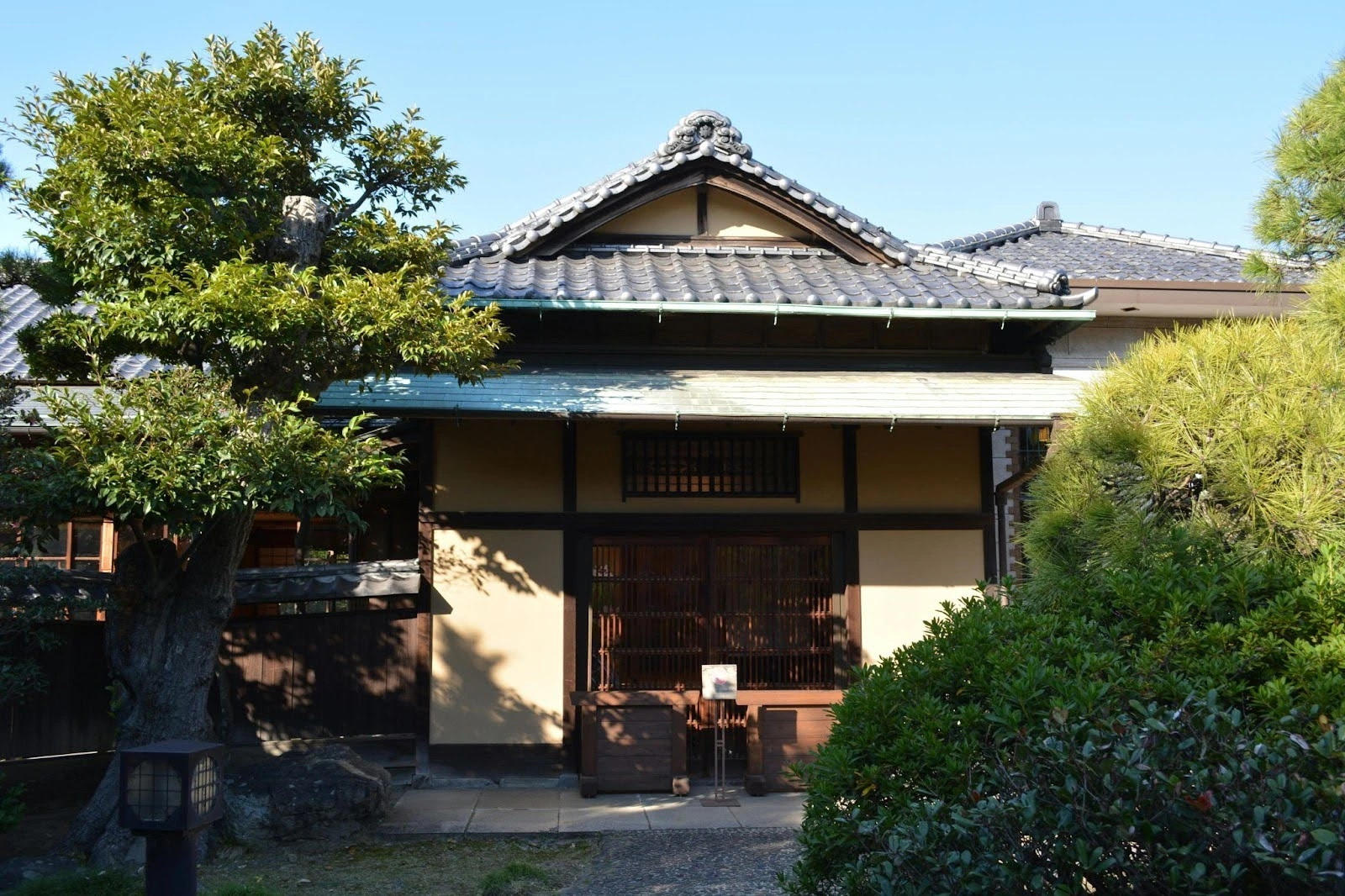
House renovation in Japan is the process of restoring an old house, or akiya, back into a livable home, and it has become one of the most searched topics among foreigners looking to buy property in Japan's countryside.
According to the Ministry of Internal Affairs and Communications' 2023 Housing and Land Survey, 9 million homes in Japan, or 13.8% of all houses nationwide, are currently vacant, the highest rate on record. Most of these unoccupied homes are traditional Japanese houses sitting empty in rural Japan, where property prices are far lower than in cities like Tokyo.
This has fueled a growing renovation project movement, as buyers take advantage of low prices to turn an old house into a modern, comfortable home while keeping traditional materials and design intact.
In this article, we explain how much house renovation costs, how to buy property in Japan as a foreigner, what to consider before starting an akiya renovation, and how the Japanese government's tax deductions and subsidies can help lower your costs.
Why renovate an old house in Japan?
According to the Housing and Land Statistics Survey in October 2023, announced by the Ministry of Internal Affairs and Communications, 13.8% of all houses in Japan are abandoned. This is the highest percentage in history and 0.2 percent higher than the previous survey in 2018.
Various reasons contribute to this issue, including Japan’s shrinking population, property taxes, preferences, and individuals not wanting to inherit old homes.
To tackle this problem, the Japanese government introduced incentives to encourage people to buy and renovate these akiya vacant homes, offering tax deductions, financial aid, and subsidies.
This presents an opportunity for both domestic and international investors or homebuyers to get abandoned properties in Japan’s countryside and renovate them at low prices.
Unlike cities like Tokyo, homes in rural areas are much more inexpensive, which makes akiya renovation an attractive option.
How can you buy a house in Japan?
In order to buy an old house in Japan, there are several steps and points you need to know.
Steps to buy a house
Find a property: Search online and reach out to real estate agents who specialize in old houses. For akiya homes, check akiya banks for foreigners.
View and assess the property: After making an appointment with the realtor, check the property in person.
Negotiate the purchase price & close the deal: When purchasing a property in Japan, you need to make a cash deposit to the seller, which is usually 10% of the property’s value and is paid to a third-party service.
Finalize the settlement: The transfer of ownership is managed by a judicial scrivener.
Points to keep in mind when buying a house
Bilingual real estate agents: The old houses, or akiya homes in Japan, are usually in rural areas. Many real estate agents in rural areas do not speak English, so it is important to find a bilingual realtor.
Understanding ownership laws: Foreigners are allowed to buy property in Japan without restrictions, but it is crucial to check zoning laws.
Checking permit requirements: Not every renovation needs a permit. Cosmetic work such as repainting walls, replacing flooring, or updating fixtures usually does not require approval. However, structural repairs, extensions, or major layout changes typically require a building permit and inspection from the local municipal office before work begins. Always confirm this with your ward or town office and your contractor before signing a renovation contract.
Dealing with bureaucracy: The internal affairs office in each region manages property transfers and may require additional documents for renovation approvals.
👉Read more about how to buy a house in Japan: Buying Real Estate in Japan: What to Know & Do
Key considerations for house renovation

Before moving on to renovation or even before deciding to buy the house, there are many things to consider.
1. Assess how much renovation is needed
The renovation cost varies greatly depending on your needs and the home’s condition.
a. Structural repairs
If the house needs structural repairs to meet the earthquake resistance standard, repair termite damage, or replace an aging roof, the renovation cost will be higher. Japan's older wooden houses, especially those built before updated seismic codes, are the most likely to need earthquake resistance work, so a professional inspection before purchase can help you budget accurately and avoid unexpected costs later.
b. Infrastructural repairs
Check to see if the house needs infrastructural repairs such as electricity, plumbing, insulation, etc.
c. Interior work
If you want more interior work, such as flooring, walls, and layout modifications, then each renovation will add to the cost. It is important to check which interior work is necessary and what can be compromised.
Projects can range between several million yen, especially for structural renovation and interior work, but you can reduce the cost with cost-effective DIY and renovation plans.
👉For akiya renovation, read: Japanese House Construction: Are Akiya Renovations Worth It?
2. Understand the local climate
It is crucial to understand the local climate since it affects how the house needs to be renovated. Traditional Japanese houses often require additional insulation and windows for cold regions. In summer, heat management and insulation for effective air conditioning are important.
3. Consider design and functionality
It is also important to think about the balance between design and functionality. There needs to be a balance of traditional materials with modern comfort. Many homeowners combine wood stoves, earthen floors, and traditional beautiful designs to keep the authenticity while improving energy efficiency. Some people install barrier-free modifications for the future.
4. Decide on your approach: traditional vs. modern
There are two approaches to renovating an old house in Japan:
Traditional style
Using wood, tatami mats, and shoji sliding doors to keep authenticity
Renovate traditional Japanese houses by mainly upgrading the materials without changing the design
Cost-effective
Modern style
Renovate walls, floors, and windows for better insulation
Using stylish materials and having a layout modification
Replace toilets, bathtubs, and sinks with modern style
Installing energy-efficient heating and cooling systems
Higher cost
There are ways to combine these two styles, but generally, the more modern style you want, the higher the cost.
Costs and financial planning
The cost of the house renovation varies greatly, but expenses often fall within the following ranges:
General renovation: ¥3,500,000 - ¥20,000,000
Skelton renovation / full renovation: ¥3,900,000 - ¥25,000,000
Layout modification (Change of floor plan): ¥200,000 - ¥3,500,000
Seismic reinforcement: ¥250,000 - ¥2,000,000 (typically ¥1,200,000 - ¥1,500,000)
Insulation improvement: ¥200,000 - ¥1,200,000
For a general renovation of a 2LDK to 3LDK home, expect to pay between¥6,000,000 - ¥10,000,000.
To finance renovations, the following options may be available, depending on your situation:
Government subsidies and tax deductions for akiya renovation: Many municipalities offer subsidies covering a portion of eligible renovation costs, sometimes as much as several hundred thousand yen per house, under repair support programs tied to the akiya problem. A 2023 amendment to Japan's Vacant Houses Act also introduced a "management-deficient vacant house" designation, which some local governments use to determine incentive and subsidy eligibility. Since programs and coverage amounts vary by region, always check with the local municipality directly.
Renovation loans (リフォームローン): These are separate from a standard home mortgage and are offered by most major Japanese banks and credit unions. They typically carry interest rates between 1.5% and 4%, with terms of 10 to 15 years.
Government-backed renovation financing: The Japan Housing Finance Agency (住宅金融支援機構) offers more favorable loan rates for renovations that meet seismic reinforcement or energy efficiency standards, which is worth pursuing if your project includes earthquake resistance upgrades or insulation improvements.
Buy used materials to reduce the cost: Reclaimed wood, tile, and fixtures can meaningfully lower material costs on a renovation project.
Budgeting and DIYs to maximize value and minimize expenses: Cost-effective DIY work on non-structural elements such as walls, floors, or a front door replacement can stretch a renovation budget further.
👉Learn about tips to save money: Renovation Cost in Japan: A Complete Guide for Homeowners
Manage your property affairs with MailMate

Facing house renovation or other property-related hurdles?
Consider MailMate’s bilingual property management service to ensure a smooth process for meeting your property's needs.
MailMate offers the following:
1. Bilingual staff
MailMate’s staff are fluent in Japanese and English, and they can be your communication bridge between whichever Japanese service you need.
For example, if you need your water supply inspected, let MailMate know. We will contact the local company and have them visit and check the water quality.
2. Schedule maintenance and services
To ensure your property is in proper shape, you can request services or maintenance by email, phone, or MailMate’s virtual assistant service.
The most common services that homeowners request are as follows:
Utilities set up
Getting fire and disaster insurance
Setting and scheduling internet installation
Regular cleaning and yard work
MailMate will contact the services on your behalf so you can sit back and relax!
3. Tax agent service
All homeowners, regardless of citizenship or visa status, must pay property-related taxes. This can prove to be difficult if you are not in Japan.
But don’t worry. If you make MailMate your tax representative, we will help with the paperwork to ensure you and your property remain compliant with your property tax obligations.
Case studies and examples of home renovation in Japan
Many people have succeeded in turning old Japanese homes into beautiful residences. Here are some examples of renovation of old Japanese houses with an overview of the cost.
Example 1: Skeleton renovation of a 30-year-old-house
Age of building |
30 years old |
Cost |
¥6,900,000 |
Construction period |
60 days |
Area |
Fukuoka Prefecture |
Example 2: Skeleton renovation of a wooden 45-year-old-house
Age of building |
45 years old |
Cost |
¥10,000,000 |
Construction period |
100 days |
Area |
Kanagawa Prefecture |
Example 3: Renovation of a 52-year-old abandoned house
Age of building |
52 years old |
Cost |
¥14,200,000 |
Construction period |
120 days |
Area |
Shizuoka Prefecture |
Source: 中古の一戸建て住宅をリフォームする際の費用相場&後悔しないための注意点|rehome-navi
Challenges and common concerns
Old house renovation in Japan offers opportunities, but it comes with challenges.
Unexpected costs: There may be hidden structural problems.
Selling difficulties: When selling, finding buyers for a property in the Japanese countryside can be difficult.
Adapting to the community: Fitting into communities in the countryside might be challenging, especially if you don't speak Japanese.
Although there are challenges, it is definitely not impossible as many people (both Japanese and non-Japanese) have successfully renovated their old houses in Japan into beautiful residences.
Frequently asked questions
Can foreigners buy and renovate old houses in Japan?
Yes. There is no restriction on foreigners buying property in Japan. However, it is important to check zoning laws, understand the legal process, and work with bilingual real estate agents if needed.
How much does it cost to renovate an old house in Japan?
Renovation costs vary widely, but typical expenses include:
General renovation: ¥3,500,000 - ¥20,000,000
Full renovation: ¥3,900,000 - ¥25,000,000
Layout modifications: ¥200,000 - ¥3,500,000
Seismic reinforcement: ¥250,000 - ¥2,000,000
Insulation improvements: ¥200,000 - ¥1,200,000
Are there government incentives for renovating Akiya houses?
Yes. The Japanese government offers financial aid, tax deductions, and subsidies for akiya renovations. Programs vary by region, so it’s advisable to check with the local municipality.
How can I save money on renovation costs?
Apply for government subsidies.
Use reclaimed or second-hand materials.
Do partial DIY renovations.
Plan a phased renovation instead of doing everything at once.
What are the biggest challenges of renovating an Akiya home?
Unexpected repair costs (hidden structural issues)
Difficulty reselling in rural areas
Adapting to local communities, especially for non-Japanese speakers
Do I need a permit to renovate an old house in Japan?
It depends on the scope of work. Cosmetic changes like repainting or replacing flooring generally do not require a permit. Structural repairs, extensions, or major layout modifications usually do require a building permit and inspection from your local municipal office, so confirm this before construction begins.
What financing options are available for renovating a house in Japan?
Renovation loans (リフォームローン) from Japanese banks typically carry interest rates of 1.5% to 4% over 10 to 15 year terms. The Japan Housing Finance Agency (住宅金融支援機構) also offers government-backed loans with better rates for renovations that meet seismic or energy efficiency standards. Some banks offer combined purchase-and-renovation mortgages for buyers financing both at once.
How long does a house renovation in Japan typically take?
Construction period varies by scope and building age. Based on real examples, a general renovation can take around 60 days, while a full skeleton renovation of an older, larger property can take 100 to 120 days or more.
In closing
Renovating an old house in Japan is not merely about affordability or investment opportunity. Rather, it is about preserving history and contributing to revitalizing Japanese countryside areas. With the right planning and strict budgeting, anyone can turn an akiya (abandoned house) into a beautiful residence that could last for many years.
However, you may find it challenging to find a home renovation company that provides services in English in rural Japan, making house renovation more difficult than it should be. That's why services like MailMate are here to help.
MailMate will call to help connect your property to gas, water, and other utilities. Additionally, MailMate can help with setting up the internet, cleaning, and land maintenance for a smooth Akiya renovation.
Founded in 2019, MailMate has simplified property ownership for foreigners living abroad and is an increasingly popular option recommended by users and well-known industry figures.

Read also: Home Inspection in Japan: Laws, Costs, and Benefits
일본 우편물 처리에 너무 많은 시간을 소비하고 있나요?
가상 우편함 + 번역 서비스는 월 3800원부터 시작합니다. 30일 환불 보장.