


Serviced Apartments in Tokyo: Best Options & Prices [2026]

Serviced apartments in Tokyo (サービスアパートメント, sābisu apātomento) are furnished homes with a kitchen, Wi-Fi and usually utilities included, plus hotel-style services such as housekeeping or a front desk. As of November 2026, entry-level studios cost about ¥200,000 to ¥350,000 a month, while premium residences in Marunouchi and Roppongi run from ¥600,000 to over ¥1,000,000. Hotel-licensed units can be booked from one night but add 10% consumption tax and Tokyo's accommodation tax. Residential leases usually start at one month, are exempt from consumption tax and rarely need a Japanese guarantor.
This guide compares 8 providers side by side, breaks down prices by tier and neighborhood, and explains how address registration and mail work while you live in one.
Top Serviced Apartments in Tokyo: 2026 Provider Comparison
Navigating the market for serviced apartments in Tokyo comes down to balancing budget, stay duration, and service level. While hotel-operated residences allow nightly bookings, with housekeeping schedules varying by property, monthly operators offer streamlined digital contracts, often without requiring a Japanese guarantor.
The table below compares eight leading providers across Tokyo’s primary business and residential hubs, detailing indicative 2026 monthly starting prices, minimum stay rules, contract structures, and English-language support. Prices are approximate and subject to property availability, room size, booking dates, and contract conditions.
| Provider | Key Areas | Typical Monthly Price | Minimum Stay | Contract Type | English Support |
|---|---|---|---|---|---|
| Oakwood | Marunouchi, Roppongi, Shinjuku, Azabu | ¥330,000 – ¥1,400,000+/mo | 1 night (or 30 nights for monthly rates) | Hotel / Serviced Residence Agreement | Full (24/7 bilingual front desk) |
| Mori Living | Roppongi, Toranomon, Azabudai | ¥470,000 – ¥1,200,000+/mo | 1 month | Fixed-Term Lease | Full (24/7 bilingual concierge) |
| Ascott / Somerset | Marunouchi, Azabu, Ginza, Shinagawa | ¥330,000 – ¥1,000,000+/mo | 1 night (29+ nights for monthly rates) | Hotel / Serviced Residence Agreement | Full (24/7 bilingual front desk) |
| Citadines (Ascott's mid-range brand) | Shinjuku | ¥399,000 – ¥810,000/mo | 1 night (29+ nights for monthly rates) | Hotel / Serviced Residence Agreement | Full (24/7 bilingual reception) |
| MYSTAYS Premier | Hamamatsucho, Akasaka, Shinjuku | ¥462,000 – ¥600,000/mo | 1 night (30 nights for monthly plans) | Hotel / Short-Stay Agreement | High (Bilingual front desk) |
| MetroResidences | Central Tokyo (Minato, Chuo, Shinjuku) | ¥200,000 – ¥500,000/mo | 1 month | Digital Fixed-Term Lease (no guarantor) | Full (English booking & support) |
| Hmlet Japan | Across the 23 wards (Shibuya, Chuo, Koto, Nakano and more) | ¥180,000 – ¥450,000/mo | 1 month | Online Fixed-Term Lease (no guarantor) | Full (Bilingual staff & online portal) |
| Unito | Nihonbashi, Otemachi, Azabu, Ueno | ¥260,000 – ¥420,000/mo | 2 nights – 30 nights (varies by property) | Flexible / Fixed-Term Lease | Moderate–High (English platform & support) |
Price verification date: 23 November 2026. Prices shown are operator-published starting rates where verified, not guaranteed rates for every property.
💡 Note: Monthly rates reflect typical 2026 starting prices for studio to 1-bedroom units. Traditional hotel-licensed brands (Oakwood, Ascott, Citadines) allow sub-30-day stays with weekly housekeeping included, whereas fixed-term lease operators (Mori Living, Hmlet, MetroResidences) require at least one month and often treat cleaning as an optional add-on.
Serviced Apartments in Tokyo: Pricing by Tier & What’s Included
When budgeting for serviced apartments in Tokyo, the average price depends heavily on floor space, building grade, and proximity to central areas. Rather than navigating rigid landlord rules, you can choose across four indicative pricing tiers depending on your budget and travel style:
Entry-Level (¥200,000 – ¥350,000/month)
Designed for solo travelers and digital nomads who want an affordable, private base without paying for luxury hotel frills, this tier consists mainly of compact studio or 1K layouts (approximately 20–30 m²). Typically located within a short walking distance of residential stations or more affordable areas such as Koto and Ota, these units give you your own space with essential furniture, a compact kitchenette, an in-unit washing machine, and sometimes a work desk for remote productivity. Note that some options in this tier are furnished monthly apartments rather than fully serviced residences.
Mid-Range (¥350,000 – ¥600,000/month)
Ideal for corporate assignees and couples exploring Tokyo for a month or longer, mid-range options offer larger studios and 1-bedroom (1LDK) floor plans (approximately 30–50 m²) in well-connected neighborhoods. You gain added convenience such as an elevator, a full kitchen, and a separate Japanese bathroom where you can relax with a deep soak tub and, in some properties, a rain shower, all close to restaurants, bars and major train lines.
Premium (¥600,000 – ¥1,000,000+/month)
Geared toward senior executives, premium 1- and 2-bedroom residences sit in prime business and residential districts like Marunouchi and Roppongi. Expect designer interiors, panoramic skyline views, and facilities that may include a 24-hour bilingual front desk, fitness centers, resident lounges, and regular housekeeping. Whether housekeeping is included in the rent depends on the property and contract.
Family-Sized (¥900,000 – ¥2,500,000+/month)
Tailored for relocating families or groups sharing 2- to 3-bedroom layouts (70–120+ m²), these expansive units eliminate the hassle of booking multiple hotel rooms. Many sit in quieter residential streets near international schools and parks. Prices vary significantly depending on the building, location, and level of service, with luxury family residences sometimes exceeding ¥2,000,000 per month.
What’s Covered vs. Excluded
Most monthly packages include furniture, essential appliances, and kitchen equipment. High-speed Wi-Fi, standard utilities (electricity, gas, and water) and linens are also commonly provided, although utilities may be subject to a monthly usage cap. However, extra costs tend to apply for on-site car or bicycle parking, optional mid-stay cleaning on fixed-term leases, and a mandatory move-out cleaning fee (often around ¥15,000 – ¥50,000, depending on the property and apartment size).
💡 Booking Tips: Rates and availability fluctuate depending on demand, particularly during busy spring and autumn seasons. To find apartments with the best deals and promotions, book well in advance or check the operator’s site for extended-stay discounts.
Best Neighborhoods for Serviced Apartments in Tokyo
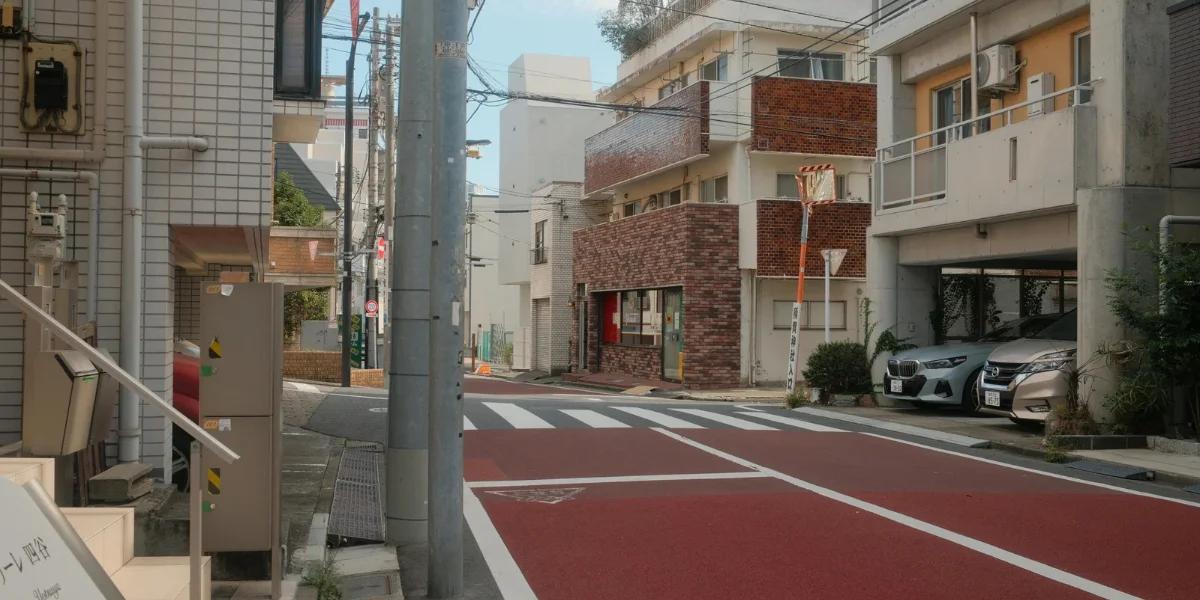
Location shapes your daily life more than the apartment itself. Serviced apartments in Tokyo cluster in a handful of districts, and your routine, whether that is commuting to meetings or school runs, decides which one fits best.
| Neighborhood | Best For | Atmosphere & Highlights | Transit & Connectivity | Typical Price Range |
|---|---|---|---|---|
| Roppongi & Akasaka | Expats, diplomats, & executives | International life with English-speaking clinics, upscale restaurant options, lively bars, Roppongi Hills, and Tokyo Midtown | Central subway access (Hibiya, Oedo, Chiyoda, & Namboku lines, depending on the nearest station) within easy walking distance | High (¥330,000 – ¥1,500,000+/mo) |
| Marunouchi | Corporate executives & short business stays | Polished financial district with luxury high-rises, hotel-style front desk services at selected residences, quiet evenings, and Imperial Palace views | Adjacent to Tokyo Station for Shinkansen bullet trains and Narita Express airport links | Premium (¥690,000 – ¥2,700,000/mo) |
| Shinjuku | Solo travelers, tourists, & commuters | Nonstop entertainment, neon nightlife, major department stores, and leafy Shinjuku Gyoen | Ultra-convenient transit hub (JR Yamanote, Chuo, & multiple metro lines) for citywide and regional day trips | Mid-Range to High (¥300,000 – ¥810,000/mo) |
| Shinagawa | Frequent flyers & corporate travelers | Modern office towers paired with quieter residential pockets and nearby temple grounds like Sengaku-ji | Around 15 minutes to Haneda Airport via Keikyu Line on some services, plus direct Tokaido Shinkansen access | Mid-Range (¥280,000 – ¥650,000/mo) |
| Toyosu & the Bay Area | Families & groups | Wide sidewalks, waterfront parks, family-friendly malls, and larger units | Connected via Yurakucho Line and Yurikamome line; airport bus connections are also available | Mid-Range (¥250,000 – ¥550,000/mo) |
Price verification date: 23 November 2026. Prices are based on published operator listings for individual properties, not neighborhood-wide averages. Actual rates depend on apartment size, availability, contract duration, and promotions.
💡 Area Selection Tip: If you want lower rent without sacrificing access, look one or two stations outside these central areas, where average rent in Tokyo drops noticeably and streets are quieter.
Rental Contract vs. Hotel License: Taxes, Minimum Stays & Address Registration
One of the biggest oversights when comparing serviced apartments in Tokyo is ignoring the legal license behind the building. Even if two apartments look identical, operators may fall into two distinct legal categories, and the contract type directly affects your taxes, minimum stay, and ability to register your address at a ward office.
| Feature | Hotel-Licensed Units | Rental-Contract Units (Residential Lease) |
|---|---|---|
| Minimum Stay | From 1 night (depending on property) | Often 1 month (operator-dependent) |
| 10% Consumption Tax | Generally charged on the accommodation rate | Exempt on qualifying residential rent |
| Tokyo Accommodation Tax | Applies at ¥100–¥200/person/night if the taxable threshold is met | Generally exempt |
| Ward Office Registration (Juminhyo) | Not automatically prohibited, but depends on actual residence and municipal acceptance | Generally possible if used as your actual residence and documentation requirements are met |
Hotel-Licensed Serviced Apartments
Pros
- Flexible booking, often available for stays as short as one night, without the traditional tenant screening associated with residential leases.
- Convenient hotel-style services, which may include housekeeping, reception, luggage assistance, and maintenance support.
- No need to arrange separate utility contracts or household services.
- Suitable for short-term business trips, holidays, and temporary accommodation while searching for a permanent home.
Cons
- Japan's 10% consumption tax generally applies to hotel accommodation.
- Tokyo's accommodation tax may also apply (currently ¥100–¥200 per person, per night, depending on the room rate).
- Less residential flexibility compared to a conventional rental agreement.
- Address registration (juminhyo, 住民票) is not automatically guaranteed. You must confirm with the operator and local ward office whether the property can be registered as your actual place of residence.
Rental-Contract Serviced Apartments
Pros
- Often available with a minimum stay of one month, making them suitable for medium- to long-term stays.
- Qualifying residential rent is exempt from Japan's 10% consumption tax, potentially reducing the overall accommodation cost.
- Furnished apartments allow you to enjoy your own space without purchasing major furniture or appliances.
- A qualifying residential lease generally makes it easier for mid- to long-term visa holders to complete address registration (juminhyo) at the local ward office.
- Registered residents can access essential services such as Japanese bank accounts, mobile phone contracts, and national health insurance, subject to each service's eligibility requirements.
Cons
- Longer minimum stay requirements can make them less suitable for short visits.
- Traditional tenant screening, documentation, and contract procedures may apply, depending on the operator.
- Optional services such as housekeeping and furniture rental may incur additional charges and consumption tax.
- Address registration is not guaranteed simply because you sign a monthly rental contract; the property must qualify as your actual place of residence.
💡 Key Takeaway: Hotel-licensed serviced apartments are generally better for short stays where flexibility and hotel-style convenience matter most. Rental-contract serviced apartments are often more cost-effective for longer stays, particularly if you are relocating to Japan and need to establish a registered residential address.
Serviced Apartments vs. Monthly Mansions, Hotels, and Regular Leases
When planning a stay in the capital, serviced apartments in Tokyo sit squarely between short-term hotels and long-term residential contracts. Understanding how they stack up against alternative housing helps you avoid overpaying or getting locked into rigid terms.
| Feature | Serviced Apartments Tokyo | Monthly Mansions | Hotels | Regular 2-Year Leases |
|---|---|---|---|---|
| Minimum Stay | 1 night – 1 month | 1 month (30 days) | 1 night | 2 years |
| Furnishings & Kitchen | Fully furnished + full kitchen | Fully furnished + basic kitchen | Furnished; no kitchen | Unfurnished |
| Housekeeping & Support | Varies: included at hotel-licensed units; often extra on leases | Self-cleaned; remote support | Daily cleaning + 24/7 reception | None |
| Upfront Costs & Guarantor | Low: usually no deposit or key money; cleaning fee may apply | Minimal (move-out cleaning fee) | None | 4–6 months' rent + guarantor |
Monthly Mansions (Mansurii Manshon, マンスリーマンション)
Pros
- Lower monthly rent compared to serviced apartments, making them a cost-effective option for medium-term stays.
- Move-in-ready furniture, appliances, and often bundled utilities, reducing setup hassle.
- Usually no Japanese guarantor or traditional long-term lease requirements.
- More residential layouts, often with a private kitchen, bathroom, and in-unit washing machine.
Cons
- No regular housekeeping or on-site front desk support, meaning you handle your own cleaning and linen changes.
- Units tend to feature simpler or older residential interiors compared to premium serviced apartments.
- Utility allowances, cleaning fees, and other additional charges may apply depending on the operator.
- Limited hotel-style services and assistance for international residents.
Hotels
Pros
- Maximum flexibility for stays under two weeks, with nightly bookings and generally no minimum-stay commitments.
- Daily room cleaning and fresh towels or linens, depending on the hotel's service plan.
- Convenient check-in, reception assistance, and luggage storage.
- No need to arrange furniture, utilities, or household equipment.
Cons
- Higher nightly rates can make extended stays significantly more expensive.
- Cramped floor plans and limited storage can make longer stays uncomfortable.
- Many standard hotel rooms lack a full kitchen or in-unit laundry, making it harder to prepare meals and manage everyday chores.
- Eating out for every meal can quickly increase daily costs.
Regular 2-Year Leases
Pros
- Generally the lowest base monthly rent for stays exceeding a year.
- Greater control over your own space, including furniture choices, interior arrangements, and daily routines.
- The widest selection of neighborhoods, apartment sizes, and residential layouts.
- Suitable for people planning to establish a long-term home in Japan.
Cons
- Units are generally unfurnished, requiring you to purchase or arrange furniture, appliances, and household essentials.
- Significant upfront expenses, potentially equivalent to 4–6 months' rent when deposits, key money, agency fees, and guarantor fees are combined.
- Traditional rental applications commonly require a Japanese guarantor or guarantor company, proof of income, and Japanese documentation.
- A Japanese residence card and local bank account are often requested, although requirements vary by landlord and property.
- Fixed contract periods and early termination penalties can make moving out before the lease ends expensive.
💡 Key Takeaway: Monthly mansions are a practical middle ground for medium-term stays, hotels suit short visits where convenience matters most, and regular leases are generally best for people planning to live in Tokyo long-term.
Practical Guide for Foreigners: Address Registration, Visas & Corporate Bookings
If you are relocating from abroad rather than visiting as a tourist, booking serviced apartments in Tokyo involves important legal and tax rules that differ from standard hotels or short-term vacation rentals.
Visa Status & Ward Office Registration (Juminhyo)
Under Japanese law, foreign nationals granted mid- to long-term resident status (such as a work, student, or spouse visa) must register their residential address at their local municipal ward office within 14 days of establishing a residence, per Immigration Services Agency guidance. To complete this registration and receive a juminhyo (住民票: certificate of residence), you generally need your residence card and details of your actual residential address. A lease agreement showing your name and room number may help establish your residence, although additional documentation requirements vary by municipality. Short-term tourists on temporary visitor status cannot register a resident record, but hotel-licensed properties are not automatically disqualified from address registration in every circumstance. Confirm with the operator and local ward office whether the property can be registered as your actual place of residence.
Tax Rules & Who Signs When Your Company Pays
According to Japan’s National Tax Agency (NTA), qualifying residential housing leases of one month or more are exempt from the 10% consumption tax, provided the contract and property meet residential rental requirements. However, short-term lodging under the Hotel Business Act remains taxable at 10%, even when the stay exceeds one month. Similarly, the Tokyo Metropolitan Government Bureau of Taxation levies a nightly accommodation tax (currently ¥100–¥200 per person for qualifying hotel stays of ¥10,000 or more per person, per night, excluding tax, through March 31, 2027, shifting to 3% on qualifying stays priced at ¥13,000 or more per person, per night from April 1, 2027) on applicable accommodation, while qualifying residential leases remain exempt.
When an employer covers your housing, the company typically signs a corporate lease agreement (hojin keiyaku, 法人契約) and names you as the designated occupant. Even if your company signs, ensure your full name appears in the lease or occupancy documentation so you can provide evidence of your actual residence when completing ward office registration.
Foreigner Booking Checklist
Before you sign for a serviced apartment, a budget studio or one of Tokyo's standard residential mansions, confirm these essentials:
- Confirm legal classification: Verify whether the contract is a qualifying residential lease (generally tax-exempt when the rental period is at least one month) or a hotel-licensed agreement (10% consumption tax + applicable Tokyo accommodation tax).
- Verify juminhyo (住民票) eligibility in writing: Ask the operator whether the property can be used as your registered residential address for your specific stay and circumstances.
- Check occupant naming on corporate leases: Ensure the corporate agreement or accompanying occupancy documentation explicitly lists your name as the resident.
- Inspect building rules: Confirm policies on guests, trash sorting and noise, especially if you work from home, so there are no surprise fees or complaints.
Managing Your Mail During a Short-Term Stay in Tokyo
Staying in serviced apartments in Tokyo gives you flexibility, but moving between temporary residences or leaving Japan after a few months creates a major headache for your physical mail. Once you check out, the front desk or property owner will generally not be responsible for managing, translating, or forwarding your leftover bank statements, tax notices, and official letters.
Keep your correspondence under control anywhere in the world with a two-step mail strategy:
Step 1: Activate Domestic Forwarding Before You Move Out
If you are relocating from one Japanese address to another, apply for Japan Post’s mail forwarding service (tenkyo todoke, 転居届) so eligible mail follows you for up to one year. The forwarding period starts from the date you submit the notice, so apply early, as Japan Post recommends allowing time for registration. Check out our walkthrough on how to forward your mail using Japan Post before your checkout date.
Step 2: Upgrade to a Bilingual Virtual Mailbox with MailMate
Japan Post's relocation service does not scan your letters or forward mail overseas. That is where MailMate steps in. A virtual mailbox service in Japan gives you one Tokyo mailing address that stays the same however many times you move, in Japan or abroad. You can even point your Japan Post forwarding notice at your MailMate address, so every stray letter lands in one place:
📬 How MailMate Keeps You Connected: View envelope images and request scans of letter contents through an English dashboard, get English summaries of Japanese notices, request domestic or international mail forwarding, or have eligible local bills paid on your behalf, all from your phone.
⚠️ Important Note: MailMate provides a dedicated mailing address only for correspondence and packages. It cannot be used as a residential address or for ward office residence registration (juminhyo).
Frequently Asked Questions
How much do serviced apartments in Tokyo cost per month in 2026?
Monthly rates for serviced apartments in Tokyo typically start around ¥200,000 – ¥350,000 for compact entry-level studios, while mid-range 1-bedroom units often range from ¥350,000 – ¥600,000. Premium residences in prime business hubs like Marunouchi or Roppongi can run ¥600,000 – ¥1,000,000+, while spacious 2- to 3-bedroom family layouts can range from ¥900,000 to ¥2,500,000+ per month. Most packages include furnishings and Wi-Fi, and some include standard utilities, though move-out cleaning and parking may cost extra. Actual rates vary by property, unit size, contract length, and availability.
What is the difference between a hotel-licensed serviced apartment and a rental-contract unit?
Hotel-licensed properties (including some Oakwood, Ascott, and Citadines properties) operate under Japan’s Hotel Business Act, allowing short stays and generally avoiding standard residential tenant screening, but accommodation charges are generally subject to Japan’s 10% consumption tax and may also incur Tokyo’s nightly accommodation tax. Hotel-licensed accommodation is not automatically eligible for resident registration, but the legal classification alone does not determine eligibility. Rental-contract units (such as some Mori Living, Hmlet, and MetroResidences properties) use residential or fixed-term lease agreements. There is no universal 30-day minimum stay for all rental-contract units; qualifying residential rent is generally exempt from consumption tax when the contract is for residential use and the rental period is at least one month.
Which Tokyo neighborhoods are best for serviced apartments?
The best district depends on your schedule: Marunouchi and Shinagawa offer excellent Shinkansen and airport access for corporate travelers; Roppongi and Akasaka provide an international expat lifestyle with international dining and access to bilingual services; Shinjuku delivers extensive transit connections and entertainment for solo travelers; and Toyosu and the Bay Area feature modern, spacious apartments that can be ideal for families and groups.
Can foreigners use a serviced apartment to register their address (juminhyo) in Tokyo?
Yes, provided you are a mid- to long-term resident eligible for resident registration and the apartment is your actual place of residence. A residential lease may make this process more straightforward, but a hotel-licensed property is not automatically disqualified in every case. Check with the operator and local municipal ward office before booking, as the circumstances and documentation matter. Foreign residents who qualify as mid- to long-term residents must register their address at their local municipal office within 14 days of establishing their place of residence. Tourists on temporary visitor status cannot register a juminhyo.
How can I manage my mail when moving between short-term apartments in Tokyo?
Serviced apartment staff do not typically provide ongoing mail forwarding or translation after you check out, so confirm the property's policy before moving. Before moving between domestic addresses, apply for Japan Post’s mail forwarding service (tenkyo todoke, 転居届) so eligible mail follows you for up to one year. For international forwarding, high-resolution scans, and English translations from anywhere in the world, use a virtual mailbox service like MailMate. Keep in mind that a virtual mailbox address is for mailing purposes only and cannot be used for ward office residence registration or a juminhyo.
Do I need a guarantor to rent a serviced apartment in Tokyo?
Usually not. Hotel-licensed serviced apartments work like hotels, so you book with a passport and a credit card and there is no tenant screening. Fixed-term lease operators such as MetroResidences and Hmlet also offer contracts without a Japanese guarantor, although they may ask for ID, visa details and proof that you can pay. A guarantor or guarantor company is mainly a requirement for regular two-year leases.
Can tourists stay in serviced apartments in Tokyo?
Yes. Hotel-licensed serviced apartments such as Oakwood, Ascott and Citadines accept stays from one night, so tourists on temporary visitor status can book them like a hotel. Residential-lease units can be harder to book, because some operators require a residence card or a stay of at least one month. Tourists cannot register an address (juminhyo, 住民票) at any property.
Is a serviced apartment cheaper than a hotel for a month in Tokyo?
Often, for stays of a month or longer. Many operators offer monthly rates that work out lower per night than their nightly rates, and residential-lease units also avoid the 10% consumption tax and Tokyo's accommodation tax. A kitchen and washing machine cut daily costs further, since you are not eating out for every meal. Hotels are usually the better value for stays under about two weeks.
In closing
Choosing between serviced apartments in Tokyo comes down to matching your length of stay, visa requirements, and budget with the right legal contract and neighborhood. Whether you need a single-night executive suite in Marunouchi, a family-sized waterfront residence in Toyosu, or a tax-exempt fixed-term lease where you can register your juminhyo, understanding the difference between hotel-licensed and residential units saves you from unexpected taxes and administrative headaches.
Before locking in your dates, confirm your building's registration policy in writing, compare total move-in costs across tiers, and set up a reliable mail solution so important notices never slip through the cracks after checkout. With the right home base secured, you can focus less on logistics and more on making your time in Japan effortless, comfortable, and rewarding.
Spending too long figuring out your Japanese mail?
Virtual mail + translation services start at 3800 per month. 30-day money-back guarantee.